In Mark 11, we read this account –
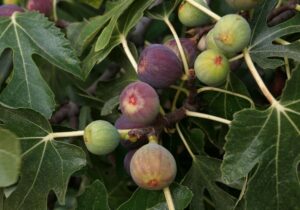
Seeing in the distance a fig tree in leaf, he went to find out if it had any fruit. When he reached it, he found nothing but leaves, because it was not the season for figs. Then he said to the tree, “May no one ever eat fruit from you again.” And his disciples heard him say it.
But if it wasn’t the season for figs, why was Jesus angry that the fig tree hadn’t borne any fruit?
Its important to note two things here.
Firstly, an interesting fact about the fig tree is that the leaves and the fruit are produced simultaneously. There are many instances when the fruit actually come before the leaves. And so when Jesus sees the tree, He sees that there are leaves, so it must mean that there are fruits too.
Except, this fig tree only had leaves. It had only shown the appearance of fruit without actually bearing fruit.
Secondly, it is important to note the timing of when this happened. Here’s the flow of events.
In Mark 11, we read about Jesus coming into Jerusalem riding on a donkey. And we’re told that on that day, He entered the temple courts, looked around at everything, and because He was already late, He went out.
Notice this though. Jesus sees all the money exchangers, the corruption in the temple, and He is angry. He is furious, but He does not burst out in anger. Atleast not yet.
He is in control. He goes to sleep, and the next day, in the morning, Jesus is hungry.
He sees this fig tree, and He sees the leaves, and He looks for fruit, and He finds none. And so He curses the fig tree.
Now you need to know that throughout the Bible, the fig tree is a symbol of Israel. And in this case, Jesus is reminded of what Israel has become when He sees the fig tree.
It had leaves, but no fruit. It had turned the religious system into a corrupt, oppressive machine.
And Jesus, in cursing the fig tree, is demonstrating to His disciples what He is about to do to the religious leaders – what He is about to do in the temple.
He is telling them His plan, what He will do to people who put on the piety of religion without actually bearing the fruit of love and compassion and holiness.
Right after this, the Gospel tells us that He entered the temple and drove away all those who were buying and selling.
He goes on to yell, “You have made My Father’s house a den of robbers.”
It was not a sudden burst of anger. It was a calculated plan, well thought out, in His righteous anger and justice.